
Views: 162 Author: Site Editor Publish Time: 2026-08-31 Origin: Site


Facility engineers and procurement teams face a strict mandate: specify cabling that guarantees circuit integrity during fires or harsh operational conditions. Standard polymeric cabling degrades under high heat, mechanical impact, or chemical exposure. This degradation leads to catastrophic system failures when you need power the most. However, over-speccing your electrical runs leads to unnecessary project complexities and bloated material requirements. You need a solution that balances extreme survivability with practical installation realities. This guide breaks down the specific use cases, technical performance metrics, and implementation requirements of mineral insulated cable. We will examine its structural anatomy, industrial applications, and termination protocols. By understanding these field-level details, you can accurately determine if this specialized cabling is the correct specification for your upcoming project.
Unmatched Fire Survivability: Mineral insulated (MI) cable maintains circuit integrity in temperatures exceeding 1000°C, making it the standard for emergency power and fire alarm systems.
Inorganic Construction: The combination of a metal sheath and magnesium oxide (MgO) insulation prevents oxidation, resists moisture (when properly terminated), and eliminates the release of toxic gases during a fire.
Installation Trade-offs & Spatial Benefits: While requiring specialized termination techniques due to its hygroscopic insulation, MI cable offers superior mechanical toughness and a remarkably slim diameter, making it ideal for unobtrusive surface mounting and tight spaces.
Alternative Comparisons: For less extreme environments, alternatives like LSZH copper power cable or IEC standard LSZH aluminum cable may offer better cost-to-performance ratios.
The resilience of this cabling stems directly from its straightforward yet highly engineered three-part construction. The outer layer consists of a seamless metal sheath. Manufacturers typically extrude this sheath from copper, stainless steel, or specialized alloys like Alloy 825. Inside this protective barrier lies the insulation layer, composed entirely of highly compressed magnesium oxide (MgO) powder. Finally, the core features one or more solid metal conductors embedded securely within the MgO powder.
This solid-state construction eliminates the air gaps found in traditional stranded cables. During the manufacturing process, the copper tube is filled with MgO blocks and the solid conductors. The entire assembly is then drawn through a series of dies. This drawing process crushes the MgO blocks into a dense powder, locking the conductors firmly in place and creating a rigid, unified structure.
Sheath Material | Primary Application | Maximum Continuous Operating Temperature |
|---|---|---|
Standard Copper | Commercial fire alarms, emergency lighting | 250°C |
Stainless Steel | Corrosive industrial environments | 600°C |
Alloy 825 | Extreme high-heat furnaces, nuclear facilities | 800°C+ |
The entirely inorganic construction provides inherent protection mechanisms that polymeric cables cannot replicate. Because there are no plastics, elastomers, or organic compounds within the cable, it simply cannot burn, propagate flames, or contribute fuel to an existing fire. The solid metal sheath acts as a hermetic seal. It creates an absolute barrier against ambient gases, pooling liquids, and severe weather conditions.
When exposed to extreme heat, the magnesium oxide powder maintains exceptional electrical insulation properties. Simultaneously, it facilitates thermal conductivity, allowing the cable to dissipate internal heat efficiently. Magnesium oxide has a melting point of 2852°C, which far exceeds the melting point of the copper conductors (1085°C). This means the insulation will never degrade before the conductors themselves fail.
Engineers categorize this cabling into two primary functional groups based on the application. A mineral insulated power cable handles heavy electrical transmission. It utilizes larger copper conductors and robust copper sheathing to deliver mains power to critical equipment like fire pumps and smoke extraction fans. Conversely, MI thermocouple cable handles precision instrumentation and temperature measurement. Thermocouple variants often utilize stainless steel or specialized alloy sheaths to protect delicate sensor wires from electromagnetic interference and chemical degradation in highly reactive environments.
The most prominent application lies within life safety networks in modern construction projects. You will find these cables in high-rise commercial towers, underground transit networks, and hospital complexes. The success criteria for these installations are absolute: the cable must guarantee continuous power transmission during an active fire. This ensures safe building evacuation and provides first responders with the operational equipment necessary to suppress the flames.
Common life safety applications include:
Primary and secondary fire pump feeder circuits.
Emergency generator distribution feeds.
Smoke extraction and pressurization fan wiring.
Fire alarm control panel communication loops.
Emergency egress lighting circuits in stairwells.
Evaluation in this sector focuses heavily on compliance with strict building codes. These codes mandate zero smoke emission and zero flame propagation. Because MI cable contains no organic material, it easily exceeds these requirements.
Industrial manufacturing facilities generate ambient temperatures that melt, embrittle, or completely degrade standard polymeric cable insulation. Engineers routinely specify this cabling for power and control wiring around blast furnaces, industrial kilns, metal foundries, and glass manufacturing plants. Success in these environments requires long-term operational stability despite constant exposure to extreme radiant heat.
You evaluate these applications by assessing the continuous operating temperature limits of the specific metal sheath utilized. While a standard copper sheath performs exceptionally well in general high-heat areas, it will oxidize and flake away if exposed to continuous temperatures above 250°C. Specialized stainless steel or Alloy 825 sheaths are required when ambient temperatures exceed the oxidation threshold of copper.
Beyond power distribution, this cable is critical for transmitting low-voltage signals in sensitive environments. Applications include electrical thermometers, fire-resistant temperature measurement probes, nuclear reactor sensors, and chemical processing monitors. The primary success criteria involve accurate, uninterrupted signal transmission coupled with the physical protection of delicate thermocouple wires.
In chemically active or wet environments, the wires must be shielded from oxidation and corrosion. You evaluate the necessity of the metallic sheath not just for physical protection, but for its ability to shield internal conductors from electromagnetic interference (EMI). The solid metal sheath acts as a Faraday cage, ensuring signal clarity in electrically noisy industrial plants.
Heavy industry presents environmental challenges that quickly destroy standard armored cables. Petrochemical refineries, offshore oil rigs, and exterior power feeds rely on this cable for its ruggedness. The cable must resist hydrocarbon pooling, corrosive atmospheric gases, severe weather fluctuations, and blunt mechanical impact without the need for secondary protective conduit.
When evaluating the cable for these specific zones, you must determine if an additional outer polymeric jacket is required. Extruding a Low Smoke Zero Halogen (LSZH) or PVC jacket over the copper sheath provides targeted chemical resistance against specific localized corrosives, such as acidic soil in direct burial applications or salt spray on offshore platforms.
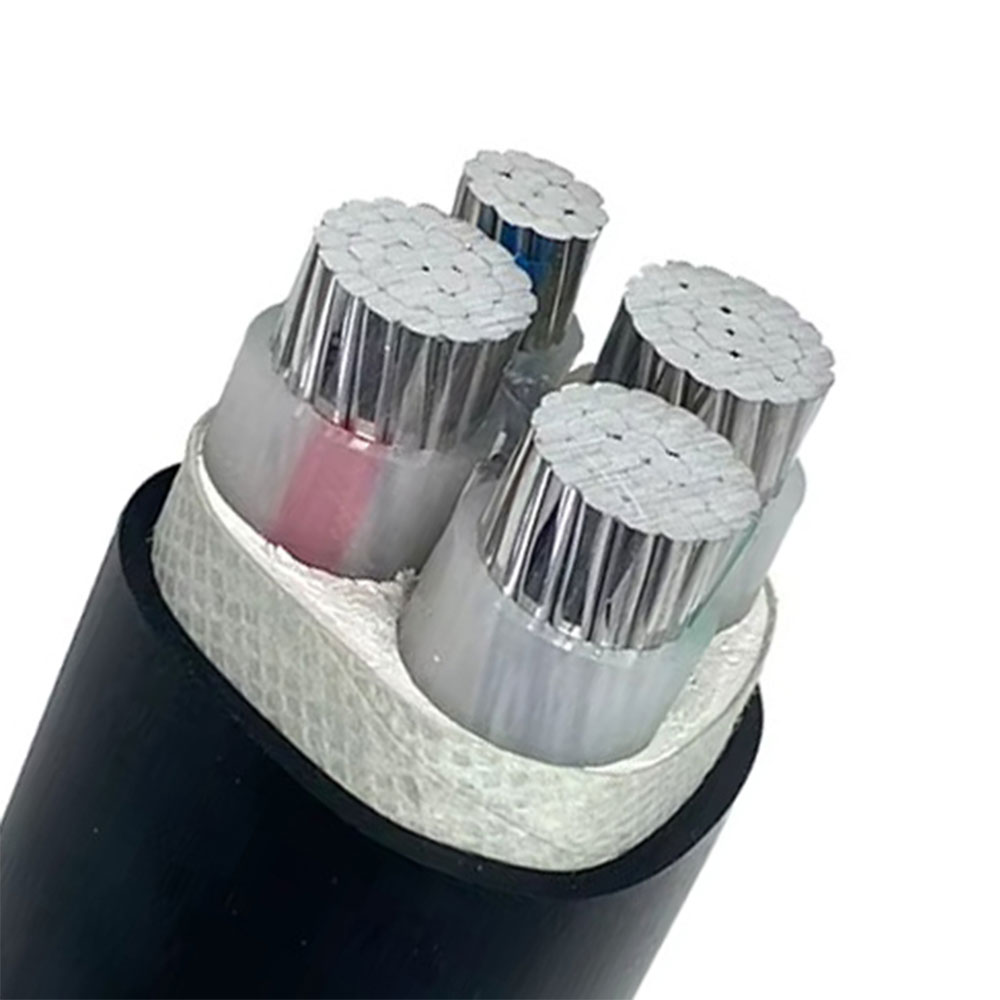
Specifying fire-resistant cable requires a clear understanding of international testing parameters. Performance metrics are defined by stringent standards such as IEC 60331 and BS 6387. The BS 6387 CWZ classification represents the highest grade of survivability available in the industry.
BS 6387 Category | Test Condition | Duration & Temperature |
|---|---|---|
Category C (Fire) | Direct flame exposure | 950°C for 3 hours |
Category W (Water) | Flame and water spray | 650°C for 15 mins, then flame + water for 15 mins |
Category Z (Shock) | Flame and mechanical impact | 950°C for 15 mins with impact every 30 seconds |
Achieving this rating means the cable maintains electrical circuit integrity while subjected to a direct flame, concurrent water spray simulating active sprinkler systems, and mechanical shock simulating falling building debris. The cable passes these rigorous tests because the MgO insulation does not rely on chemical reactions or intumescent swelling to protect the conductors. It simply withstands the heat.
The solid-state construction provides exceptional toughness and impact resistance. It withstands severe crushing forces, tight bending, and blunt impacts. Even if a forklift flattens the cable, the highly compressed MgO powder maintains the precise spacing between the internal conductors and the outer sheath. This prevents short circuits under extreme physical duress.
This durability translates into significant spatial efficiency. The slim diameter allows for highly efficient routing through congested modern construction pathways. It presents an aesthetically pleasing profile for surface mounting in historic buildings where cutting into walls is prohibited. However, you must account for specific limitations. The physical rigidity of the solid metal sheath complicates routing in highly complex, multi-angle pathways. Installers must strictly adhere to minimum bending radius requirements to prevent the outer sheath from kinking or fracturing.
Standard stranded cables are susceptible to a breathing effect. As the cable heats up under load and cools down when deactivated, air is expelled and drawn back into the microscopic gaps between the strands. This brings moisture and corrosive gases directly into the core of the cable.
The solid metal sheath and densely packed insulation act as an absolute barrier to liquids and gases, completely eliminating this breathing effect. This impermeability ensures that the internal conductors remain pristine. Consequently, the correlation between these inorganic materials and environmental sealing results in a virtually unlimited lifespan under normal operating conditions, provided the terminations remain intact.
There is a distinct performance gap between true fire resistance and fire retardance. A LSZH copper power cable is engineered to reduce toxic smoke emissions and prevent the rapid spread of flames during a fire. However, it relies on cross-linked polyethylene (XLPE) insulation. This polymeric material will eventually burn away when exposed to sustained high temperatures, resulting in a short circuit. MI cable utilizes non-combustible MgO, ensuring the circuit remains live.
Despite this, LSZH is significantly easier to install. Technicians can cut, strip, and terminate it using standard electrician tools. This makes LSZH the preferred choice for standard commercial buildings, office spaces, and residential complexes where extreme fire survivability is not legally mandated by building codes.
When designing large-scale power distribution networks, weight and conductivity are primary concerns. An IEC standard LSZH aluminum cable offers a highly lightweight solution for routing main power feeds over long distances. Aluminum conductors reduce the structural load on cable trays and lower overall material requirements for the building infrastructure.
The application overlap between these two cables is minimal. Aluminum LSZH is suited for general infrastructure and bulk power distribution where fire retardance is sufficient. In contrast, MI cable occupies a niche role. You utilize it specifically in localized, high-risk fire zones, emergency backup circuits, and areas subjected to extreme industrial heat where aluminum conductors would melt and fail.
Mica-tape wrapped cables represent the middle ground in fire-resistant wiring. These cables utilize standard copper conductors wrapped in a layer of heat-resistant mica tape, all encased within standard polymeric insulation and an outer jacket.
While mica-tape cables successfully meet many international fire performance standards and are substantially easier to terminate, they come with trade-offs. The polymeric jacket still burns away during a fire, leaving only the fragile mica ash layer to prevent a short circuit. Consequently, they lack the extreme mechanical crush resistance, the ultra-slim profile, and the hermetic environmental sealing provided by true mineral insulated cable.
The most significant installation risk associated with this cable is the highly hygroscopic nature of the magnesium oxide insulation. MgO powder rapidly absorbs moisture from the ambient air the moment the metal sheath is cut and left exposed. Even a small amount of absorbed moisture drastically lowers the insulation resistance, leading to immediate electrical faults or long-term degradation of the circuit.
Mitigating this risk requires strict site protocols. Technicians must execute the following steps during termination:
Store the cable in dry conditions and keep factory seals intact until the exact moment of installation.
Cut the cable squarely and immediately score the sheath to the required stripping length.
Strip the copper sheath using a specialized ringing tool to avoid scoring the internal conductors.
Slide the brass sealing pot over the exposed conductors and thread it onto the copper sheath.
Fill the brass pot entirely with the manufacturer-approved moisture-blocking potting compound.
Slide the insulating sleeves over the conductors and crimp the sealing cap into the brass pot to permanently lock out moisture.
The implementation reality is that you cannot treat this like standard armored wiring. Stripping the solid metal sheath without damaging the internal copper conductors requires specialized stripping tools. Furthermore, assembling the brass sealing glands and ensuring a moisture-proof seal demands highly trained technicians with specific field experience.
Project managers must factor in higher labor rates and considerably longer installation times when specifying this cable. The complex termination process at every junction box, panel, and device adds significant labor hours compared to standard polymeric cables. You must account for this during the initial project scheduling phase.
Engineering constraints also play a role in implementation. Because these cables are frequently deployed in high-temperature environments, and because the solid metal construction retains heat differently than stranded cables, engineers must account for increased electrical resistance. Operating at higher temperatures naturally increases conductor resistance, which leads to unacceptable voltage drops over long cable runs.
To mitigate this, electrical engineers must perform accurate derating calculations based on the specific installation environment, ambient temperatures, and grouping factors. In many industrial scenarios, this requires up-sizing the conductors to a larger cross-sectional area to ensure the equipment receives the correct voltage under full load conditions.
Audit your routing pathways for minimum bending radius compliance before finalizing the cable schedule to prevent sheath damage during installation.
Verify the maximum ambient operating temperatures of your installation zones to select the correct sheath alloy (copper vs. stainless steel).
Specify factory-terminated cable lengths where possible to reduce on-site labor hours and eliminate moisture contamination risks.
Coordinate with your structural team to ensure surface-mounted runs align with aesthetic and spatial constraints in historic or congested buildings.
A: Because it is constructed entirely from inorganic materials—solid metal and magnesium oxide—it does not degrade, dry out, or become brittle over time like polymeric cables. If the outer metal sheath remains physically intact and the terminations stay sealed against moisture, the cable has a virtually unlimited, multi-decade lifespan.
A: Yes, it is highly suitable for outdoor power feeds, weather exposure, and direct burial. The solid metal sheath provides excellent mechanical protection. However, if the cable is buried in highly acidic soil or exposed to specific corrosive chemicals that attack copper, an outer anti-corrosion polymeric jacket is required.
A: The difficulty stems from the magnesium oxide insulation, which is highly hygroscopic. It rapidly absorbs moisture from the air once the sheath is cut. Technicians must use specialized tools to strip the hard metal sheath and immediately install moisture-proof brass seals and potting compound to prevent electrical faults.
A: No, it generally does not require an additional conduit. The solid copper or stainless steel outer sheath acts as its own highly durable conduit. This provides sufficient mechanical protection against blunt impact and crushing while maintaining a much slimmer overall installation profile.
A: Fire-retardant cables are designed to resist the spread of flames and self-extinguish when the heat source is removed, but they will eventually burn and fail. Fire-resistant cables are engineered to maintain electrical circuit integrity and continue transmitting power during an active fire for a specified duration.
A: Yes, it can be bent to navigate corners and obstacles. However, installers must strictly adhere to the manufacturer-specified minimum bending radii. Bending the cable too sharply can kink, fracture, or split the solid metal sheath, which compromises the hermetic seal and destroys the cable's integrity.


