
Views: 142 Author: Site Editor Publish Time: 2026-09-07 Origin: Site


Engineers and procurement teams face immediate budget friction when specifying fire-survival cabling. Standard commercial wiring offers a baseline expense, but specialized fire-rated solutions demand significantly higher budgets. Balancing strict fire safety compliance with rigid project budgets is a complex challenge on any job site. Critical infrastructure must maintain circuit integrity during a fire to keep emergency systems operational. However, miscalculating installation variables leads to severe budget overruns. Termination components, specialized labor, and sourcing logistics often inflate initial estimates far beyond the base material quote. Evaluating mineral insulated cable requires looking beyond the per-meter sticker price. You must understand the complete financial picture, including specialized labor requirements, precise sizing selection, and strategic alternatives for non-critical zones. Proper evaluation prevents costly rework and ensures absolute safety compliance. We will explore the hidden factors that drive these expenses and how to optimize your electrical schedule effectively.
Base vs. Installed Cost: The per-meter price of mineral insulated cable is only a fraction of the total cost; certified terminations, insulating sleeving, and specialized labor often add significant premiums to the final budget.
Material Volatility: Prices are heavily dictated by global copper market fluctuations and the complex manufacturing process of compressing magnesium oxide insulation inside an annealed copper tube.
Value Engineering: Significant cost savings can be achieved by hybridizing cable schedules—reserving mineral insulated cables for critical life-safety circuits while utilizing fire-safe LSZH aluminum cable or standard low-voltage aluminum power cable for general distribution.
Strategic Sourcing: Evaluating domestic suppliers versus direct-from-factory international sourcing (e.g., China) can yield substantial base-cost savings, provided strict certification vetting is enforced.
Risk of Improper Installation: The hygroscopic nature of magnesium oxide means improper termination can lead to moisture ingress, resulting in complete cable failure and costly rework.
High-purity annealed copper forms the foundation of this cabling. Manufacturers use it for both the internal conductor and the seamless outer sheath. This dual reliance on premium copper establishes a high baseline expense. Global copper commodity pricing directly impacts supplier quotes. Market fluctuations alter lead times and shorten quote validity periods. Procurement teams must monitor these commodity trends closely when planning long-term construction phases.
The insulation material introduces another layer of manufacturing expense. Dense magnesium oxide (MgO) powder separates the conductors from the copper sheath. Compressing this powder requires specialized, energy-intensive manufacturing processes. Factories utilize repeated drawing and annealing stages to achieve the correct diameter and flexibility. This complex fabrication contrasts sharply with extruded PVC or XLPE polymers, which are simply melted and applied over a moving conductor. The extensive energy, specialized machinery, and time required justify the premium market positioning.
Component | Mineral Insulated Construction | Standard Polymer Construction | Manufacturing Impact |
|---|---|---|---|
Outer Sheath | Seamless annealed copper tube | Extruded PVC or LSZH compound | Requires heavy drawing machinery and high heat |
Insulation | Highly compressed Magnesium Oxide (MgO) | Cross-linked Polyethylene (XLPE) | Requires precise powder filling and compression |
Conductor | Solid high-purity copper | Stranded copper or aluminum | Requires repeated annealing to maintain flexibility |
Fire survival certification demands rigorous, destructive testing. Standards like BS 6387 and UL 2196 require cables to endure extreme conditions that simulate real-world structural fires. Testing facilities subject these cables to direct flames exceeding 1000°C. They also apply mechanical shocks to simulate falling debris and high-pressure water sprays to mimic firefighter intervention. Achieving these certifications involves massive research and development investments. Manufacturers pass these testing and compliance expenses onto the end user.
Buyers are not merely purchasing physical copper and magnesium oxide. You are paying for liability transfer and guaranteed performance. Critical life-safety systems rely on this uncompromising durability. Emergency pumps, smoke extraction fans, and firefighter elevator feeds must operate during catastrophic fires. The certification guarantees this operational integrity. This proven reliability forms the core value proposition of the product, ensuring that building occupants have time to evacuate safely.
Several variables dictate the base per-meter expense of the cable. Core count and cross-sectional area are the primary drivers. Heavy-duty variations, such as BTTZ cables rated for 750V, carry higher material premiums than light-duty 500V variants. Single-core cables offer different routing flexibility compared to multi-core configurations, but require careful attention to phase arrangement to avoid eddy currents. Procurement teams must analyze these variations against the project schematic. Accurate specification prevents unnecessary budget inflation.
Precise cable sizing serves as a critical cost-control mechanism. Engineers often over-specify cross-sectional areas to compensate for voltage drop in standard wiring. This practice unnecessarily inflates the per-meter expense when applied to specialized fire-rated cables. Mineral insulated cable features exceptionally high thermal conductivity. The copper sheath dissipates heat rapidly into the surrounding environment. This thermal efficiency often allows for a smaller conductor size compared to polymer cables carrying the same current.
Follow these steps to optimize your cable sizing:
Calculate the exact full-load current of the emergency equipment.
Determine the maximum allowable voltage drop for the specific circuit length.
Consult the manufacturer's specific current-carrying capacity tables for MgO cables, rather than generic NEC or IEC polymer tables.
Factor in the ambient temperature of the routing environment, taking advantage of the cable's high operating temperature threshold.
Select the smallest compliant cross-sectional area to minimize copper volume.
The base cable represents only a portion of the final installation budget. Termination kits introduce substantial hidden premiums. Installers require conductor insulating sleeving, proprietary connectors, and cable terminal lugs. Brass glands and specialized potting boots are also mandatory to interface with standard electrical enclosures. Pre-terminated kits often carry a significant premium over raw materials. These components ensure the magnesium oxide remains completely sealed from atmospheric moisture.
Certified jointing requires intensive labor and specialized components. Standard electrical connectors cannot withstand the operational temperatures required for fire survival. Proprietary tooling is mandatory for stripping the copper sheath safely. Installers must apply sealing compound meticulously to prevent moisture ingress. These certified terminations add substantial labor hours to the project. You must factor these accessory and labor premiums into the initial estimates to avoid mid-project budget shortfalls.
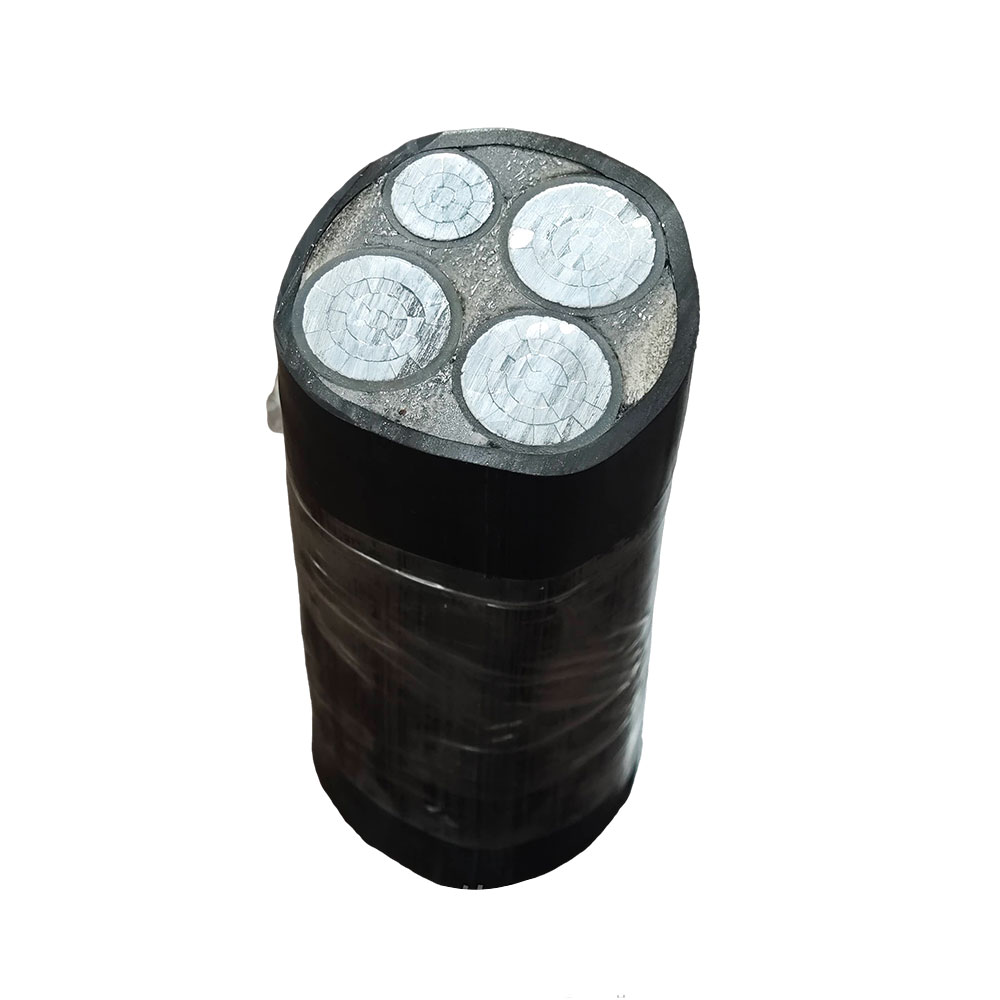
Handling rigid copper sheaths requires specialized training and experience. You must hire certified installers familiar with these unique materials. Standard electricians often lack the specific tooling required for proper termination. Installers must strip the sheath without scoring the internal copper conductors. They must apply insulating sleeving correctly to maintain dielectric strength. This expertise commands a higher hourly labor rate across the industry.
Installation speed directly impacts the overall project timeline. Mineral insulated cable routes much slower than flexible polymer alternatives. Bending the rigid copper tube requires mechanical benders and careful planning to respect the minimum bending radius. You cannot pull this cable through complex conduit bends easily; it is typically dressed directly onto cable trays or cleated to masonry. This slower installation speed increases billable labor hours significantly. Project managers must adjust their scheduling expectations accordingly.
The termination process requires strict adherence to the following sequence:
Square off the cable end cleanly using a fine-tooth hacksaw.
Score the copper sheath with a specialized ringing tool at the exact required strip length.
Strip the sheath diagonally using side cutters to expose the internal conductors without nicking them.
Clean all residual magnesium oxide powder from the exposed conductors thoroughly.
Thread the brass gland body onto the intact copper sheath.
Screw the brass pot onto the sheath to cut a secure mechanical thread.
Inject the proprietary sealing compound into the pot to block all moisture.
Crimp the pot seal and slide the neoprene insulating sleeving over the bare conductors.
The long-term financial benefits often offset the initial capital expenditure. This cable features complete immunity to UV degradation and ozone exposure. The solid copper sheath provides absolute resistance to rodent damage, a common failure point for polymer cables in industrial facilities. Its inorganic construction means it will not degrade, dry out, or crack over time. The lifespan of this cabling often outlasts the building infrastructure itself. This durability provides exceptional long-term value.
Evaluate this investment as a capital expenditure versus operating expenditure trade-off. High upfront installation costs yield zero ongoing maintenance requirements. You do not need to replace degraded polymer sheaths decades later. The cable remains structurally sound in harsh industrial environments, including areas exposed to radiation or extreme ambient heat. Facility managers benefit from decades of uninterrupted operational reliability.
Absolute fire survivability differs greatly from low-smoke zero-halogen properties. Mineral insulated cable maintains circuit integrity during active fires. It powers critical systems while engulfed in flames. Conversely, LSZH cables focus on reducing toxic smoke emissions and preventing flame propagation. They do not inherently guarantee circuit survival under extreme thermal stress. You must understand this fundamental performance difference when reviewing building codes.
Analyze the budget-to-performance ratio for each specific building zone. When the budget cannot support universal deployment of copper-sheathed cables, seek alternatives. Evaluate if fire-safe LSZH aluminum cable meets local building codes for your specific application. You can often deploy LSZH in secondary egress routes, densely populated corridors, and data centers safely. This targeted application reduces overall project expenses. It maintains safety compliance while optimizing the electrical budget.
Value engineering requires a strategic approach to the cable schedule. Restrict premium fire-survival cables strictly to mandated emergency systems. Use them for fire pumps, smoke extraction fans, and primary fire alarms. Do not waste this premium material on standard lighting circuits or general HVAC feeds. Strategic isolation protects the budget for critical infrastructure where failure is not an option.
Specify low-voltage aluminum power cable for standard, non-critical sub-mains. Aluminum conductors offer excellent conductivity at a fraction of copper's expense. Deploying aluminum for general distribution offsets the premium spent on fire-survival zones. This hybrid approach balances safety mandates with financial reality. It represents the most efficient way to manage large-scale commercial installations.
General underground or outdoor routing rarely requires extreme fire survival ratings. Define YJLV aluminum power cable as your primary cost-effective alternative here. This XLPE insulated, PVC sheathed cable performs exceptionally well in standard environments. It handles moisture and mechanical stress efficiently during direct burial or duct installation. Fire survival is not mandated for these specific utility feeds, making premium copper unnecessary.
Develop a strict decision matrix for your engineering team. Determine exactly when to transition from premium copper to YJLV alternatives. Protect the overall project budget without compromising life-safety compliance. Below is a comparative matrix to guide your specification strategy.
Cable Type | Primary Application | Fire Rating / Survivability | Relative Budget Impact |
|---|---|---|---|
Mineral Insulated (MI) Cable | Emergency pumps, smoke extraction, critical alarms | Circuit integrity >1000°C (BS 6387 / UL 2196) | Highest initial investment |
Fire-Safe LSZH Aluminum | Secondary egress, densely populated corridors | Low smoke, zero halogen, flame retardant | Moderate investment |
YJLV Aluminum Power Cable | Underground utility feeds, general sub-mains | Standard PVC flame retardance | Most budget-friendly |
Procurement teams often evaluate domestic distributors against international factory direct sourcing. Sourcing BTTZ cables directly from international hubs offers lower base manufacturing expenses. China cable factories frequently provide competitive quotes for bulk orders. However, you must balance these savings against import duties and freight times. Logistics delays can erode initial material savings quickly if the construction schedule is tight.
Verifying third-party fire test certifications is an absolute necessity. Avoid unverified overseas manufacturers with inconsistent copper purity standards. Request documentation for BS 6387 or equivalent international certifications. Conduct factory audits or hire third-party inspectors before finalizing large orders. Strict vetting prevents catastrophic compliance failures during building inspections and ensures the material performs as specified.
Magnesium oxide insulation is highly hygroscopic. It absorbs moisture rapidly from the surrounding air. If ends are left unsealed during installation or transit, the insulation fails. Moisture compromises the dielectric strength, causing immediate short circuits when energized. Installers must seal every cut end temporarily with adhesive tape or proprietary caps until final termination occurs. This strict protocol prevents extensive material waste.
The financial penalty for moisture ingress is severe. You must cut back compromised cable until dry powder is reached. This process wastes expensive material and requires replacing terminal lugs and brass pots. In severe cases, you must replace entire cable runs if the moisture has wicked too far down the sheath. Implement strict site protocols and mandate continuous megger testing. Testing insulation resistance at 500V DC before and after installation mitigates this risk.
Accurate specification remains your best defense against budget overruns. Specifying fire-survival cable in zones that only require standard fire-retardant cable inflates budgets unnecessarily. Engineers sometimes apply blanket specifications to save design time. This over-engineering wastes capital that could be deployed elsewhere on the project. Audit the schematics to ensure precise application of premium materials.
Consult local building codes to determine exact compliance boundaries. Use standard fire-retardant polymer cables wherever permitted by law. Reserve the rigid copper and MgO construction strictly for mandated life-safety circuits. This disciplined approach to specification ensures safety while protecting the financial bottom line. It requires more upfront engineering time but yields massive procurement savings.
Audit your current electrical schematics to isolate critical life-safety circuits from standard distribution zones.
Consult with a certified fire safety engineer to verify exact local code requirements and compliance boundaries.
Request itemized quotes that clearly separate base material expenses from termination kits, sleeving, and labor.
Implement strict moisture control protocols during site storage and mandate daily megger testing during installation.
A: The expense stems from raw materials and manufacturing complexity. It uses high-purity annealed copper for both the conductor and seamless outer tube. The dense magnesium oxide insulation requires energy-intensive drawing and annealing processes. This inorganic construction costs significantly more to produce than extruded PVC polymers.
A: Terminations add a substantial premium to the base material. You must account for specialized kits containing brass glands, potting boots, and sealing compound. Furthermore, certified jointing requires extensive labor hours. The specialized tooling and meticulous assembly process make these terminations far more expensive than standard electrical connections.
A: It depends on local building codes. LSZH cables are flame-retardant and emit low toxic smoke. However, they do not provide absolute circuit integrity during a fire. If the code mandates fire survival for emergency pumps, you cannot substitute it. LSZH is suitable for secondary egress routes.
A: The magnesium oxide insulation is highly hygroscopic. It absorbs moisture rapidly from the air if the ends remain unsealed. This moisture destroys the insulation resistance, leading to electrical shorts. You must cut back the compromised section or replace the entire run, causing costly rework.
A: Yes. Installers need specific training and proprietary tooling. They must strip the rigid copper sheath without damaging the internal conductors. Applying the insulating sleeving and sealing the ends with potting compound requires precision. Improper installation leads to moisture ingress and complete system failure.
A: Sourcing from international hubs can yield significant savings. However, it is only safe if you enforce strict vetting. The factory must supply verifiable, internationally recognized fire-survival certifications like BS 6387. You must ensure consistent copper purity and account for import duties and shipping delays.


