



5000M
1
1.5mm²~630mm²
| Quantity: | |
|---|---|


As a premier manufacturer and supplier of advanced overhead power transmission solutions, we present the IEC Standard AAC (All Aluminum Conductor). Engineered specifically for high-efficiency power distribution networks, this bare conductor delivers exceptional electrical performance and structural integrity for large-scale grid infrastructure.
Constructed from high-purity electrolytic aluminum (≥99.7%) for maximum energy transfer.
Optimized for low, medium, and high-voltage networks up to 220kV.
Significantly lightweight profile reduces mechanical strain on supporting infrastructure.
Fully customizable drum lengths to ensure seamless, splice-free installation across varying span requirements.
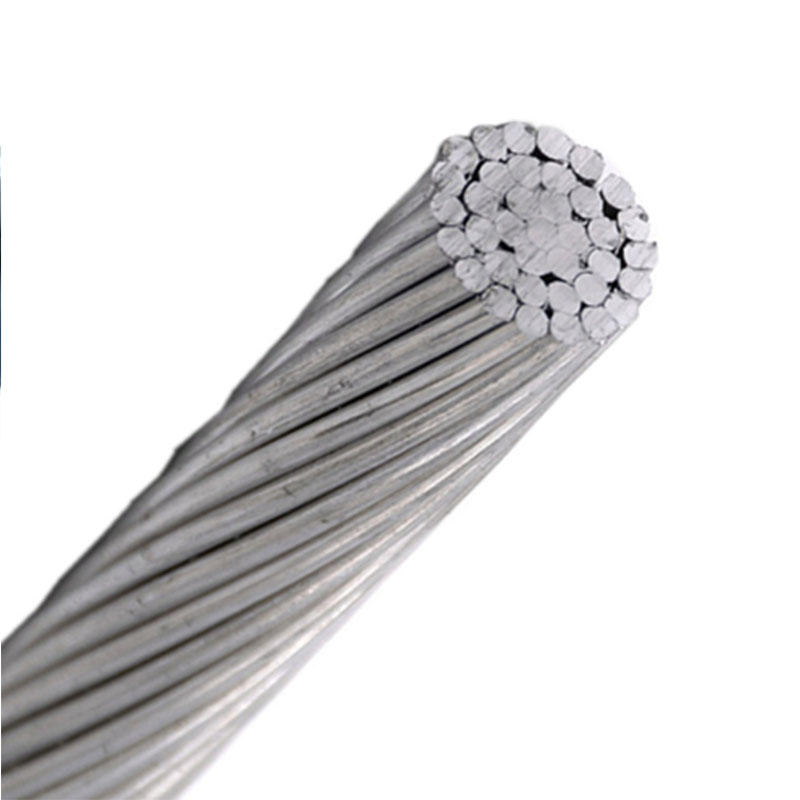
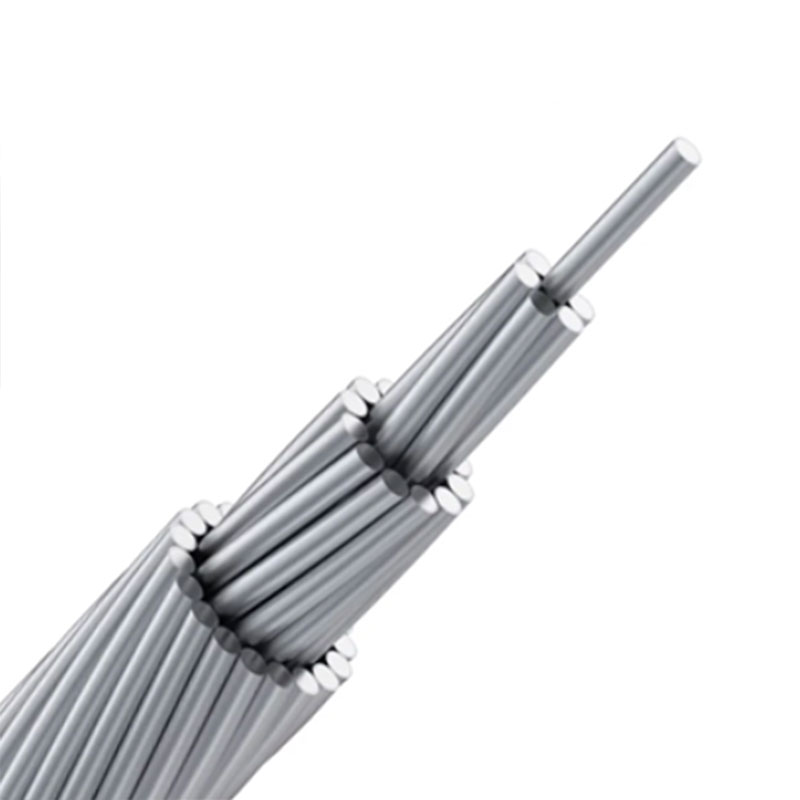
The IEC Standard AAC Conductor stands as a pinnacle of modern metallurgical engineering, designed specifically to elevate the reliability and efficiency of overhead power distribution networks. When you examine the conductor closely, the tightly wound, concentric stranding reflects a meticulous manufacturing process, presenting a smooth, uniform metallic surface that feels incredibly robust yet surprisingly lightweight to the touch. This precise geometric configuration is not merely for visual appeal; it ensures uniform load distribution, prevents strand unravelling during high-tension stringing, and minimizes electrical losses across vast geographical distances.
By utilizing highly refined electrolytic aluminum, the conductor facilitates an unimpeded flow of electricity, effectively reducing thermal bottlenecks and energy dissipation that plague lesser materials. For utility operators and infrastructure developers, this translates directly into a more resilient grid capable of handling fluctuating peak demands without compromising systemic stability. The natural oxidation process of the bright aluminum surface quickly forms an invisible, impenetrable shield against atmospheric degradation, ensuring that the conductor maintains its structural and electrical integrity even in the most unforgiving environments. Ultimately, integrating this sophisticated conductor into your network infrastructure means investing in decades of uninterrupted, maintenance-free power transmission, significantly lowering the total lifecycle expenditure of your critical energy projects.
Key Features & Highlights
Our AAC conductors are engineered to resolve the most pressing challenges faced by modern grid developers. By focusing on metallurgical purity and structural precision, we deliver a product that enhances operational efficiency while drastically reducing long-term maintenance burdens.
Exceptional Ampacity: The high-grade aluminum composition allows for superior current carrying capacity, ensuring stable power delivery even during peak load scenarios.
Optimized Sag-Tension Ratio: The meticulous stranding process provides a balanced mechanical profile, allowing for predictable sag behavior and simplifying the tensioning process during installation.
Seamless Integration: Designed to be fully compatible with standard industry hardware, dead-ends, and splicing equipment, preventing the need for specialized or proprietary installation tools.
Thermal Stability: The homogeneous nature of the all-aluminum structure ensures uniform thermal expansion and contraction, preventing mechanical fatigue at connection points over decades of seasonal temperature shifts.
The foundation of any superior transmission line lies in its metallurgical integrity. Our AAC conductors are manufactured utilizing premium electrolytic aluminum, boasting a purity level of ≥99.7%. This exceptional purity translates directly into an outstanding electrical conductivity rating of up to 61.2% IACS (International Annealed Copper Standard). By achieving an incredibly low DC resistance—dropping to as little as 0.046 Ω/km for our largest cross-sections—the conductor drastically minimizes I²R line losses. For network operators, this means a significantly higher percentage of generated power successfully reaches the end-user, optimizing the overall energy efficiency of the grid and reducing wasteful heat generation along the transmission corridor.
Navigating the complex landscape of international infrastructure projects requires materials that meet universally recognized benchmarks. This product is strictly engineered to comply with, and often exceed, the stringent requirements of IEC 61089, ASTM B231, BS 215, DIN 48201, and CSA C49 standards. Every batch undergoes rigorous factory acceptance testing, measuring tensile strength, dimensional accuracy, and electrical resistance. Furthermore, we fully support and facilitate inspections by authoritative third-party testing agencies, providing comprehensive documentation and test reports. This unwavering commitment to global standards ensures that your procurement process is frictionless and that the materials will seamlessly pass all engineering audits and regulatory inspections.
Environmental degradation is a primary threat to overhead line longevity. Unlike Aluminum Conductor Steel Reinforced (ACSR) cables, our All Aluminum Conductor entirely eliminates the risk of bimetallic galvanic corrosion, which often occurs when moisture bridges the gap between dissimilar metals. Upon exposure to the atmosphere, the high-purity aluminum rapidly develops a tough, transparent, and self-healing aluminum oxide ($Al_2O_3$) film. This natural passivation layer acts as an impenetrable barrier against further oxidation. Consequently, this conductor is the definitive choice for deployments in highly corrosive environments, including coastal regions subjected to heavy salt spray, areas with high ambient humidity, and zones affected by severe industrial chemical pollution.
Structural efficiency is paramount in overhead line design. Utilizing advanced concentric-lay stranding techniques, our AAC conductors achieve a highly compact and uniform circular cross-section. The inherent low density of aluminum means that this conductor is significantly lighter than equivalent copper cables or steel-reinforced alternatives. This dramatic reduction in weight fundamentally alters the mechanical dynamics of the transmission line. It substantially lowers the dead-weight load imposed on utility poles, transmission towers, and cross-arms, allowing for the use of lighter, more cost-effective support structures. Additionally, the reduced weight greatly simplifies logistics, handling, and stringing operations for the installation crews, mitigating workplace fatigue and accelerating project timelines.
Fiscal prudence without compromising performance is the ultimate goal of utility procurement. As the most economically advantageous bare conductor solution available, AAC presents a compelling financial argument. The initial capital expenditure (CAPEX) for AAC is typically 10% to 25% lower than that of ACSR of comparable conductivity. However, the financial benefits extend far beyond the purchase price. The lightweight nature of the cable reduces transportation costs and requires less heavy-lifting machinery during installation. When combined with the virtually maintenance-free operational lifespan—free from the corrosion issues that plague steel-cored alternatives—the total cost of ownership (TCO) plummets, delivering an exceptionally high Return on Investment (ROI) for municipal grids and private energy developers alike.
Versatility is a core attribute of our AAC product line. With cross-sectional areas ranging from a highly flexible 1.5mm² up to a massive 630mm², the conductor is engineered to serve a vast spectrum of electrical applications. The smaller gauges are perfectly suited for low-voltage residential service drops and the modernization of dense urban distribution networks where short spans are common. Conversely, the larger cross-sections are designed to handle the immense current loads of medium to high-voltage transmission lines (up to 220kV) and are frequently utilized for critical internal connections within electrical substations. Whether you are executing a rural electrification initiative or upgrading a major metropolitan power corridor, there is an exact AAC specification to match your engineering demands.
The integrity of the conductor upon arrival is just as critical as its manufacturing quality. We employ robust, export-grade packaging solutions designed to withstand the rigors of long-haul maritime and terrestrial transport. Clients can select from heavy-duty wooden drums, reinforced steel-wooden drums, or fully steel drums, depending on the weight of the cable and the environmental conditions of the destination. More importantly, we offer highly customizable drum lengths (Drum Length). By tailoring the continuous length of the cable to precisely match the specific span requirements of your project, we drastically reduce the need for mid-span joints. This not only accelerates the stringing process but also eliminates potential points of electrical and mechanical failure, enhancing the overall safety and reliability of the line.
Selecting the right manufacturing partner is a critical decision that impacts the trajectory of your entire infrastructure project. We distinguish ourselves through a relentless focus on precision engineering, scalable production, and uncompromising quality assurance.
Advanced Manufacturing Infrastructure: Our production facilities utilize state-of-the-art wire drawing and stranding machinery, ensuring every meter of conductor maintains strict dimensional tolerances and metallurgical consistency.
Rigorous Quality Control: From raw aluminum ingot inspection to final spooling, our multi-stage quality assurance protocols guarantee that no defective product ever leaves our facility.
Global Supply Chain Expertise: We possess extensive experience in navigating international logistics, customs documentation, and compliance requirements, ensuring your materials arrive on-site and on schedule, regardless of geographic location.
Dedicated Engineering Support: Our technical team collaborates directly with your project managers to provide load calculations, sag-tension data, and customized specification recommendations tailored to your specific environmental and electrical constraints.


