



5000M
1
1.5mm²~630mm²
| Quantity: | |
|---|---|


As a leading manufacturer and direct supplier, we present the AAC Bare Aluminum Conductor, meticulously engineered for optimal low-voltage distribution. Crafted from premium 1350-H19 aluminum, this conductor delivers unmatched conductivity and structural integrity for overhead transmission networks. By sourcing directly from our factory, procurement teams secure a highly reliable grid component that dramatically reduces installation complexities while maintaining strict adherence to international engineering protocols.
Direct manufacturer supply ensuring exceptional cost efficiency and rapid deployment for large-scale grid projects.
Engineered specifically for seamless integration into urban, suburban, and rural low-voltage distribution networks.
Fully compliant with rigorous international IEC standards, guaranteeing consistent performance across diverse environments.
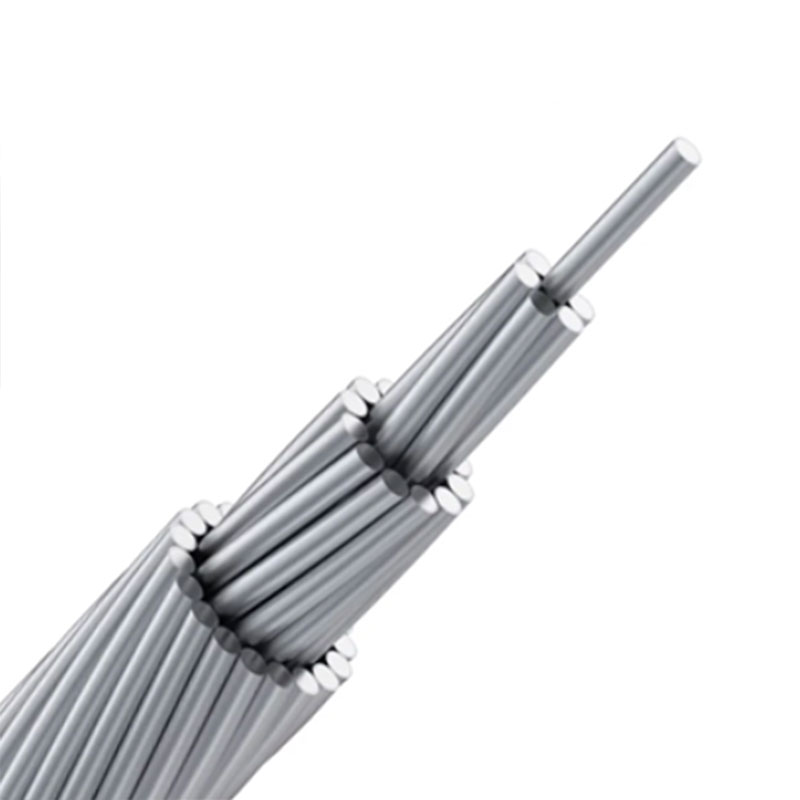
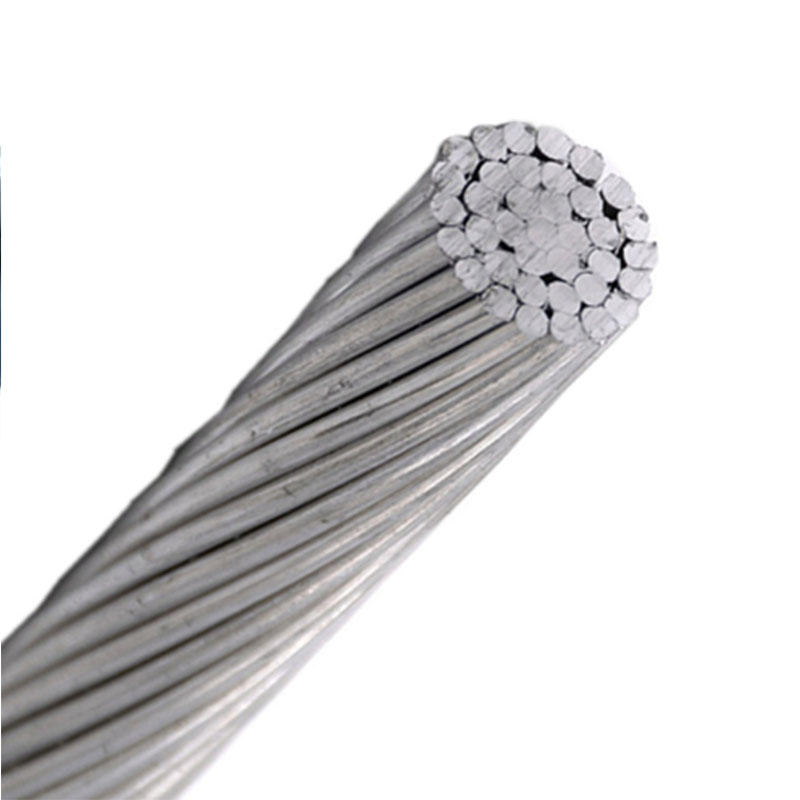
The AAC Bare Aluminum Conductor for Low-Voltage Distribution represents the pinnacle of overhead line engineering, crafted meticulously to empower modern electrical grids with unwavering reliability. When you examine the physical profile of this conductor, you will immediately notice the precision of its concentric-lay-stranded construction, presenting a smooth, uniform metallic sheen that speaks volumes about the high-purity 1350-H19 aluminum utilized in its fabrication. This homogeneous design completely eliminates the risk of galvanic corrosion often found in heterogeneous cables, ensuring a pristine condition even after decades of exposure to harsh environmental elements. By integrating this conductor into your infrastructure, you drastically reduce energy loss during transmission, directly improving the operational bottom line of your utility projects. The lightweight nature of the aluminum strands significantly alleviates the mechanical tension on supporting poles and hardware, transforming complex installations into streamlined, labor-saving operations. Whether deployed in coastal regions with high salinity or densely populated residential networks requiring reliable power drops, this conductor provides a steadfast, maintenance-free conduit for electricity. Its exceptional balance of tensile strength and superior conductivity makes it an indispensable asset for upgrading grid reliability, optimizing current flow, and achieving long-term infrastructural resilience across varying topographies.
Key Features & Highlights
Elevate your power distribution capabilities with a conductor engineered for maximum efficiency and longevity. Our AAC bare aluminum conductor is meticulously developed to solve the most pressing challenges in overhead line deployment, ensuring your infrastructure operates flawlessly under varying loads.
Optimized Current Flow: Delivers an exceptional conductivity rating, minimizing thermal bottlenecks during peak load periods and ensuring consistent power delivery.
Streamlined Installation: The inherently low specific gravity of aluminum allows for rapid deployment, reducing the physical strain on installation crews and minimizing the need for heavy lifting machinery.
Corrosion Immunity: Naturally forms a protective oxide layer upon atmospheric exposure, safeguarding the core from moisture and airborne contaminants without the need for synthetic coatings.
Versatile Span Capability: Perfectly calibrated for short to medium spans, making it the ideal choice for intricate urban routing, residential drops, and rural electrification projects.
Sustainable Infrastructure: The fully recyclable aluminum composition supports eco-conscious engineering practices, allowing utility operators to meet environmental targets without compromising on raw performance.
The foundation of this conductor lies in its uncompromising material purity. We utilize exclusively 1350-H19 aluminum alloy, drawn and stranded with exacting precision to create a highly flexible yet robust cable. This meticulous construction process guarantees a product that performs reliably under continuous mechanical and electrical stress.
Homogeneous Integrity: The all-aluminum construction prevents the electrochemical degradation that typically occurs when dissimilar metals interact under moisture, ensuring structural stability over decades.
Concentric-Lay Stranding: The precisely wound strands, available in configurations from 7 to 61 wires, ensure uniform load distribution across the entire cross-section, preventing localized mechanical fatigue.
Enhanced Flexibility: The structural design permits tighter bending radii, accommodating complex routing requirements in congested utility corridors and substation environments.
Vibration Resistance: The multi-strand architecture naturally dampens aeolian vibrations, protecting the conductor and its associated hardware from fatigue failure caused by wind-induced oscillations.
Maximizing the throughput of your electrical grid requires a conductor that minimizes resistance. This AAC conductor is engineered to provide a low-impedance pathway, ensuring that power reaches its destination with minimal thermal loss, thereby optimizing the overall efficiency of your distribution network.
High Conductivity Rating: Achieving approximately 61% of the International Annealed Copper Standard (IACS), it guarantees superior electron flow for low-voltage applications.
Reduced Line Losses: The ultra-low direct current (DC) and alternating current (AC) resistance profiles mean significantly less energy is wasted as heat, directly enhancing the profitability of your grid.
Stable Thermal Dynamics: Designed to maintain structural stability even when operating at elevated temperatures during peak demand cycles, preventing dangerous sagging.
Consistent Voltage Regulation: Helps maintain steady voltage levels across distribution lines, preventing voltage drops that could negatively affect end-user equipment and metering accuracy.
Weight is a critical factor in the design and construction of overhead lines. By eliminating the heavy steel core found in alternative conductors, this AAC product dramatically alters the mechanical equation of your infrastructure projects, bringing substantial savings in both time and structural materials.
Reduced Structural Load: The lightweight profile significantly lowers the dead weight exerted on utility poles, crossarms, and tensioning hardware, extending the life of your supporting infrastructure.
Economical Support Structures: Allows for the use of lighter, more cost-effective poles and potentially wider spacing between supports in specific terrains, optimizing material budgets.
Accelerated Deployment: Easier handling, unspooling, and stringing translate to faster project completion times and reduced labor expenditures during the installation phase.
Optimal Sag-Tension Ratio: Delivers predictable and manageable sag characteristics, ensuring safe ground clearances are easily maintained in low-voltage distribution scenarios.
Environmental degradation is the primary enemy of overhead conductors. This AAC cable is inherently equipped to withstand the most punishing atmospheric conditions, ensuring a prolonged operational lifespan even in geographic locations known for aggressive weathering.
Self-Healing Oxide Layer: Upon exposure to oxygen, the aluminum surface instantly forms a dense, impenetrable layer of aluminum oxide that halts further oxidation and protects the inner strands.
Coastal Environment Readiness: Exhibits outstanding resistance to salt-laden air, making it an optimal, maintenance-free solution for seaside utility networks and island electrification.
Industrial Pollution Tolerance: Impervious to many airborne chemicals, sulfur compounds, and particulate matter commonly found in heavy industrial zones and dense urban centers.
Moisture Deflection: The smooth exterior finish of the stranded profile facilitates rapid water shedding, preventing localized water ingress and minimizing the risk of ice buildup during winter months.
Flexibility in application is what makes this conductor a staple in modern electrical engineering. It is specifically tailored to excel in scenarios where extreme tensile strength is secondary to superior conductivity, ease of handling, and environmental resilience.
Urban Low-Voltage Networks: Perfectly suited for the intricate web of power distribution in densely populated city grids where routing flexibility is paramount.
Residential Service Drops: Provides a highly reliable and safe connection from the main overhead distribution line directly to residential metering points.
Substation Busbars: Acts as a highly efficient, flexible connector within substation environments due to its excellent ampacity and ease of termination.
Rural Electrification: An economical choice for extending power to remote communities where short to medium spans between poles are the standard engineering practice.
Quality assurance is non-negotiable in utility-scale deployments. This conductor is manufactured under stringent quality control protocols to meet and exceed the expectations of global engineering authorities, ensuring seamless integration into any certified grid project.
IEC Conformity: Fully compliant with International Electrotechnical Commission standards for overhead line conductors, ensuring global applicability.
ASTM Specifications: Meets the rigorous requirements of ASTM B230 and ASTM B231, ensuring absolute compatibility with North American engineering practices and hardware.
BS 215 Equivalency: Designed to align with British Standards, facilitating seamless integration into legacy systems and commonwealth infrastructure projects.
Rigorous Factory Testing: Every batch undergoes comprehensive mechanical tensile testing and electrical resistance profiling to guarantee peak performance before dispatch.
Strategic procurement demands materials that offer the best balance of upfront affordability and long-term value. The AAC conductor stands out as a financially astute choice for large-scale grid expansions, directly impacting the profitability of utility operations.
Lower Material Costs: Aluminum offers a highly favorable cost-to-conductivity ratio compared to copper alternatives, stretching your procurement budget further.
Reduced Hardware Expenditure: The lightweight nature of the cable allows for significant savings on supporting infrastructure, insulators, and tensioning accessories.
Minimal Maintenance Overhead: The inherent corrosion resistance translates to fewer inspection cycles, reduced repair dispatches, and virtually zero mid-life replacements.
Superior Total Cost of Ownership (TCO): When factoring in installation speed, infrastructural longevity, and initial material cost, this conductor delivers an unparalleled return on investment.
Partnering with a dedicated manufacturer ensures that your supply chain remains robust and your projects stay precisely on schedule. We are committed to empowering your infrastructure developments with unparalleled product quality, deep industry expertise, and reliable logistical support.
Direct Manufacturer Pricing: By eliminating intermediaries, we provide highly competitive pricing structures that protect your project budgets and increase your operational margins.
Massive Production Capacity: Equipped with advanced manufacturing lines to handle high-volume orders with a rapid turnaround, ensuring your deployment timelines are always met.
Uncompromising Quality Control: Our state-of-the-art testing facilities scrutinize every meter of cable for dimensional accuracy, stranding perfection, and electrical integrity.
Global Logistics Expertise: We offer streamlined shipping, custom packaging, and handling solutions, ensuring your conductors arrive in pristine condition, regardless of the global destination.
Dedicated Engineering Support: Our technical team is readily available to assist with specification matching, load calculations, and hardware compatibility guidance.


